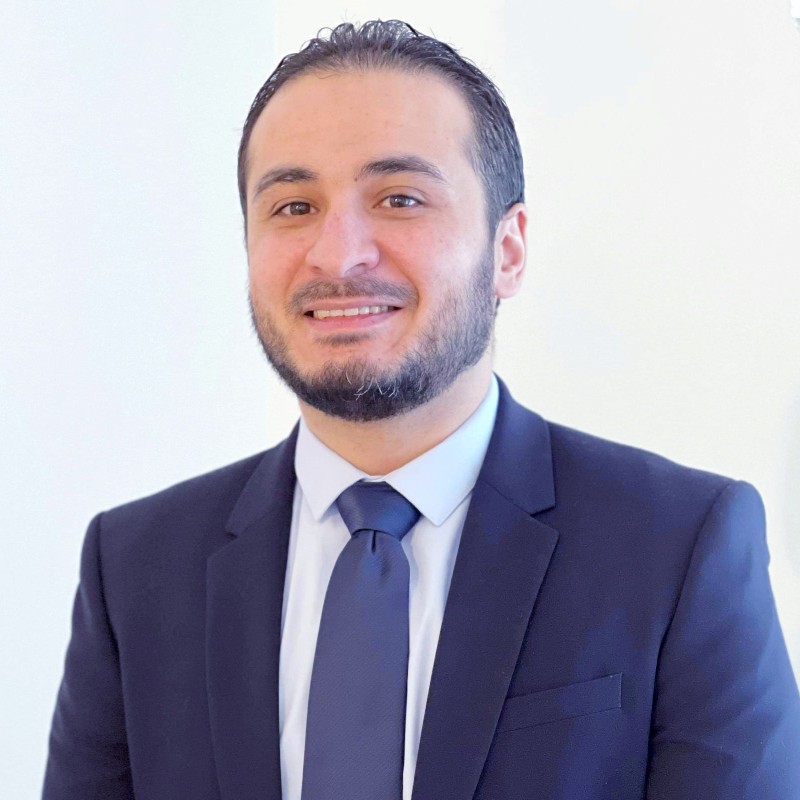
Program Director Bioelectronic Medicine and Professor in Mathematical Statistics at KTH.
Affiliated researchers
– Applying mathematical analysis of complex patient data and measurements of the body’s communication to the brain via the nervous system can provide unexpected and valuable insights. Our preliminary analyses have identified signatures in the electrical activity in the vagus nerve correlating to specific cytokines. The analyses underline the need to continue developing neural interface technology in order to improve and facilitate biologically relevant analysis of the electrical activity in the vagus nerve during inflammatory diseases, says Henrik Hult.
Henrik Hult graduated in Engineering Physics from the KTH Royal Institute of Technology in 2000. He received his PhD in Mathematical Statistics at KTH 2003. He has spent a year as a postdoctoral fellow at the University of Copenhagen in 2004 and another year and a half as a postdoctoral fellow at Cornell University 2005-06. Professor Hult then worked as an assistant professor at Brown University in 2006-08. Since 2015, he is a Professor in Mathematical Statistics at KTH.
Principal Investigator (PI) for the project “Continuous lactate monitoring and prevention of foetal hypoxia during labour”. Head of Unit and Professor at the Unit of Obstetrics and Gynaecology, and Director of the Centre for Embryonic and Prenatal Precision Medicine (PRECISE), Department of Clinical Science, Intervention and Technology (CLINTEC), Karolinska Institutet.Senior Consultant at the Centre for Foetal Medicine, Medical Unit for Pregnancy and Childbirth, Karolinska University Hospital.
Principal Investigator (PI) for the project “Imaging the Epileptic Brain using Multimodal Quantum Sensors”. Associate Professor of Applied Physics at KTH Royal Institute of Technology.
Programme Director for “Imaging the Epileptic Brain using Multimodal Quantum Sensors”. Professor of Neuroimaging at Karolinska Institutet, and Director of CIR - Centre for Imaging Research.