


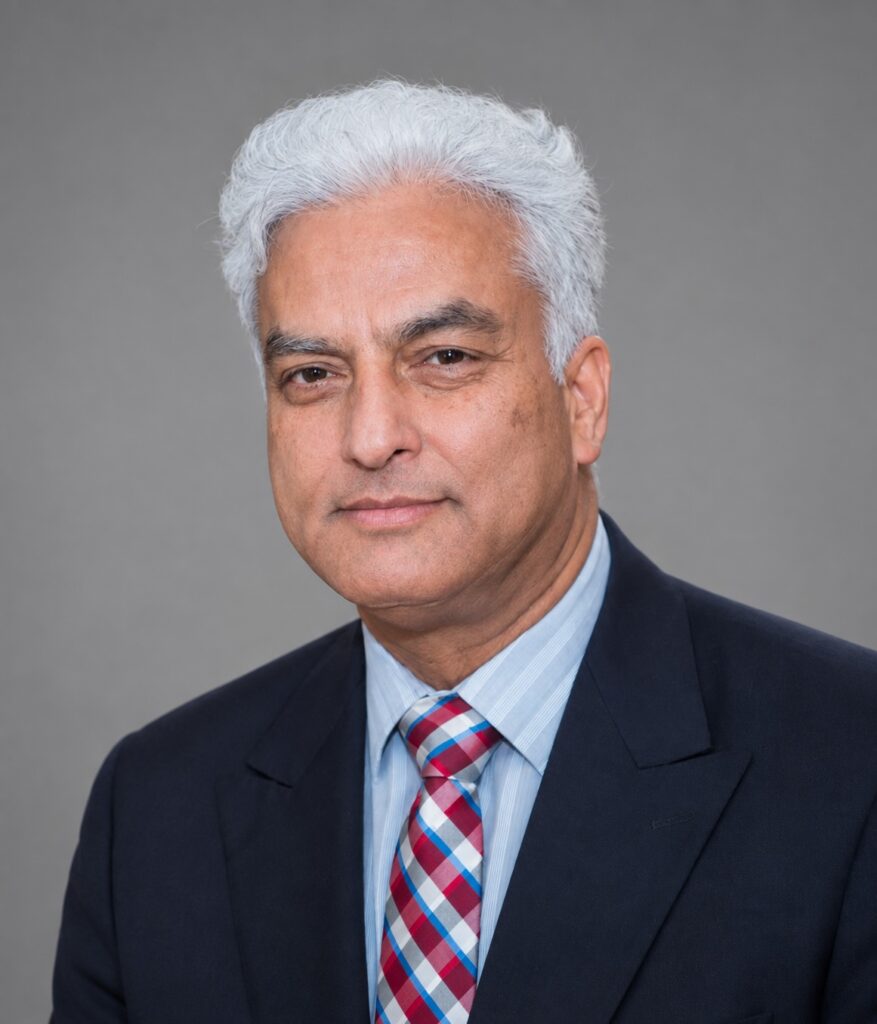
Ganesh Acharya
Principal Investigator (PI) for the project “Continuous lactate monitoring and prevention of foetal hypoxia during labour”. Head of Unit and Professor at the Unit of Obstetrics and Gynaecology, and Director of the Centre for Embryonic and Prenatal Precision Medicine (PRECISE), Department of Clinical Science, Intervention and Technology (CLINTEC), Karolinska Institutet.
Senior Consultant at the Centre for Foetal Medicine, Medical Unit for Pregnancy and Childbirth, Karolinska University Hospital.
What research are you carrying out at MedTechLabs?
My research at MedTechLabs focuses on developing a new method for foetal monitoring during labour. The current method, which involves recording the foetal heart rate, has a number of limitations. Changes in heart rate can be caused by both the foetus’s physiological reactions and the onset of oxygen deprivation. Furthermore, the heart rate pattern is interpreted visually, which leads to variations in assessment – both between different doctors and by the same assessor over time.
As a supplementary method, the foetus’s lactic acid level (or pH value) can be measured once or repeatedly during labour by making a small puncture in the foetus’s scalp, from which a drop of blood is taken for analysis. Lactic acid is formed when the body’s cells produce energy without sufficient access to oxygen, making it a more specific measure of oxygen deprivation than simply monitoring the heart rate. Our aim is now to develop a method that can measure the foetus’s lactic acid levels continuously and non-invasively during labour.
What impact do you hope your research will have?
The aim is for our research to lead to a more objective and less invasive method of foetal monitoring. This could reduce the risk of babies being born with oxygen-deprivation-related damage, whilst also reducing the number of unnecessary interventions such as caesarean sections and vacuum-assisted deliveries, which is also of great benefit to the mother.
When might the results of this research reach patients?
Our research project aims to develop a completely new technology. The initial phase of the project plan involves progressing from in vitro and animal studies to pilot studies on healthy, low-risk pregnant women (corresponding to technology readiness level 6). Developing new medical devices generally takes more than 10 years.
What is your background and what motivates you as a researcher?
I am a doctor and hold a combined post as Professor of Obstetrics and Gynaecology at CLINTEC, Karolinska Institutet, and as a Senior Consultant in the Pregnancy and Childbirth Unit at Karolinska University Hospital. I completed my PhD in the field of foetal circulation and have carried out postdoctoral research in perinatal cardiology. I am very interested in gaining a better understanding of how oxygen deprivation affects the foetus and how this can be detected early using non-invasive or minimally invasive methods. I have over 25 years’ research experience, both clinical and experimental, using animal models.
My motivation as a researcher stems from my work as a doctor. During my career as an obstetrician, I have worked in settings with both ample and limited resources. There, I have witnessed a great need for better foetal monitoring methods to prevent oxygen deprivation damage in newborn babies.
Contact Ganesh Acharya: ganesh.acharya@ki.se